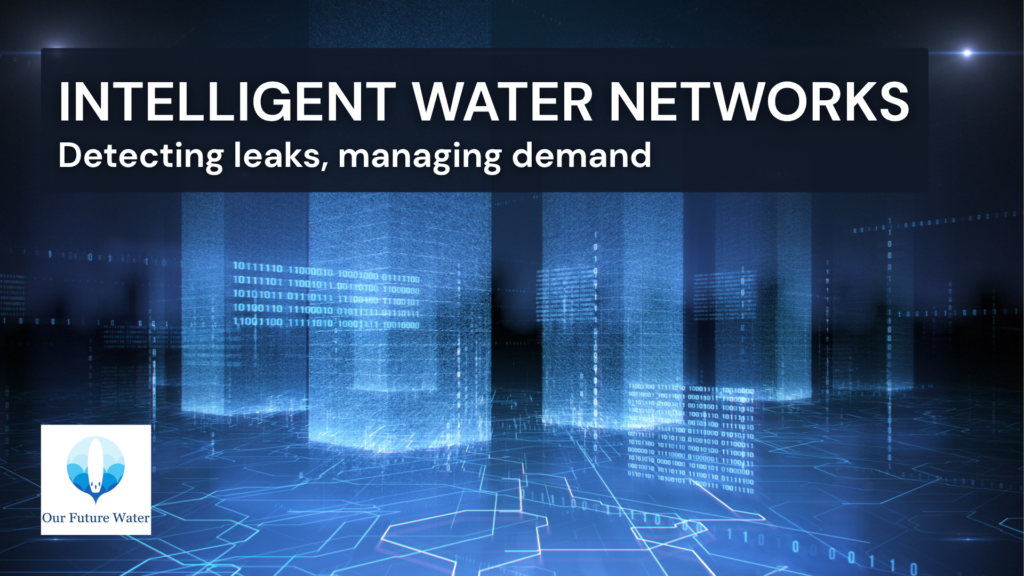
Executive Summary: Intelligent leak detection and Advanced Metering Infrastructure (AMI) are becoming essential components of resilient water governance by improving operational visibility across water distribution systems. Together, these digital infrastructure assets reduce water losses, optimize demand, and strengthen long-term asset management. The strategic advantage lies in integrating network monitoring with customer engagement to improve resource efficiency, infrastructure resilience, and sustainable water security.
In simple terms: Smart monitoring and metering technologies help utilities reduce water losses, improve efficiency, and strengthen long-term water security.
This analysis reflects how water utilities, regulators, and infrastructure planners structure digital water management to balance operational efficiency, resource conservation, and long-term system resilience.
As water systems face growing pressure from aging infrastructure, climate variability, and increasing demand, digital monitoring has become a strategic component of resilient utility operations. Integrating intelligent monitoring with proactive demand management strengthens Water Security while supporting broader Climate Resilience objectives through more efficient infrastructure management.
The Strategic Imperative
The strategic issue is maintaining reliable water services while minimizing physical losses and managing finite water resources more efficiently. Conventional inspection methods often identify leaks only after significant water has already been lost, while limited consumption data restricts utilities’ ability to influence demand. In practice, intelligent leak detection and Advanced Metering Infrastructure provide continuous operational visibility that enables earlier intervention across distribution networks. This matters because improved situational awareness supports better asset management, reduces unnecessary treatment and pumping costs, and strengthens operational resilience. When designed well, digital infrastructure allows utilities to make informed operational decisions that improve both network performance and long-term sustainability.
Digital Monitoring Mechanisms
These complementary technologies improve both supply-side performance and demand-side management.
- Continuous Leak Detection: Pressure monitoring, acoustic sensing, distributed sensors, and satellite technologies identify hidden leaks before they develop into larger infrastructure failures.
- Real-Time Consumption Data: Advanced Metering Infrastructure provides frequent water-use information that enables customers and utilities to identify unusual consumption patterns and respond rapidly.
- Predictive Asset Management: Continuous network intelligence supports maintenance prioritization, extending infrastructure life while reducing emergency repair costs.
- Demand Optimization: Smart metering combined with pricing strategies and customer engagement helps reduce unnecessary consumption while improving allocation of available water resources.
Key Insight: Digital monitoring technologies deliver their greatest value when leak detection, customer consumption data, and asset management systems operate as an integrated decision-support framework that improves operational efficiency while strengthening long-term water resilience.
Governance, Equity, and Cost Recovery
The challenge is ensuring digital infrastructure investments deliver measurable public value while remaining financially sustainable. Effective governance aligns operational data with transparent asset management, equitable customer engagement, and long-term investment planning. Reducing non-revenue water improves cost recovery by lowering treatment, pumping, and maintenance expenses, while enhanced demand management delays costly infrastructure expansion. The wider implication is that digital technologies strengthen financial resilience when supported by appropriate regulatory frameworks, cybersecurity protections, and performance-based operational management.
| Dimension | Strategic Impact & Outcome |
|---|---|
| Resilience | Continuous monitoring reduces water losses, improves service reliability, and enhances system adaptability during periods of supply stress. |
| Governance | Operational transparency supports informed decision-making, proactive maintenance, and improved accountability across water utilities. |
| Investment | Improved operational efficiency lowers lifecycle costs, strengthens cost recovery, and supports better prioritization of infrastructure investment. |
Infrastructure modernization increasingly depends on integrating digital technologies into broader utility strategies rather than deploying standalone monitoring tools. Intelligent leak detection complements Advanced Metering Infrastructure by providing comprehensive visibility across both network performance and customer demand. This integrated approach enables utilities to optimize maintenance planning, improve capital investment decisions, reduce operational risk, and strengthen resilience against future climate and population pressures. When supported by effective governance, digital infrastructure becomes a foundational component of sustainable water management.
Decision-Maker Application
- Integrate Monitoring Systems: Combine leak detection, smart metering, and asset management platforms to improve operational visibility across the entire distribution network.
- Prioritize Data-Driven Investment: Use continuous monitoring data to guide infrastructure renewal, maintenance scheduling, and long-term capital planning.
- Strengthen Customer Engagement: Provide timely consumption information and leak alerts that encourage efficient water use while supporting demand management objectives.
Strategic Context
- Primary Focus: Intelligent water infrastructure and digital demand management.
- Core Mechanism: Continuous monitoring through leak detection systems and Advanced Metering Infrastructure.
- Global Relevance: Improving operational efficiency and conserving finite water resources are central to achieving resilient and sustainable water security.
Conclusion
Intelligent leak detection and Advanced Metering Infrastructure demonstrate that digital technologies are no longer optional enhancements but essential infrastructure assets for modern water governance. Together they improve operational efficiency, reduce water losses, strengthen asset management, and enable more informed decision-making across increasingly complex water systems. As climate uncertainty, aging infrastructure, and growing demand place greater pressure on utilities, integrating network monitoring with customer-focused demand management provides a practical pathway toward stronger resilience, improved financial performance, and sustainable long-term water security.
Key Questions
What is intelligent leak detection in water distribution systems?
Advanced Metering Infrastructure (AMI) is a smart metering system that provides frequent or real-time water consumption data. It helps utilities monitor demand, detect unusual usage patterns, improve billing accuracy, and support customers in managing water consumption more efficiently.
What is Advanced Metering Infrastructure (AMI)?
Advanced Metering Infrastructure (AMI) is a smart metering system that provides frequent or real-time water consumption data. It helps utilities monitor demand, detect unusual usage patterns, improve billing accuracy, and support customers in managing water consumption more efficiently.
How do leak detection and AMI work together?
Leak detection monitors the condition of the water distribution network, while AMI tracks customer water use. Together, they provide a comprehensive view of both supply and demand, enabling utilities to identify problems quickly, optimize operations, and make better infrastructure investment decisions.
How do these technologies improve water security?
By reducing non-revenue water, improving operational efficiency, and enabling proactive maintenance, intelligent monitoring technologies help conserve limited water resources. They also strengthen system resilience during periods of drought, population growth, and climate-related stress.
What are the financial benefits of intelligent water monitoring?
Digital monitoring reduces water losses, lowers treatment and pumping costs, minimizes emergency repairs, and supports predictive asset management. These efficiencies improve cost recovery and help utilities prioritize long-term infrastructure investments more effectively.
Why is digital infrastructure important for modern water utilities?
Digital infrastructure provides continuous operational visibility across water networks, allowing utilities to make data-driven decisions, improve service reliability, enhance customer engagement, and build more resilient and sustainable water management systems.