Executive Summary: Urban resilience strategies increasingly depend on integrating ecological systems into built environments to manage water stress, climate impacts, and infrastructure performance. Green roofs and broader nature-based solutions provide distributed hydrological functions that reduce runoff, moderate urban heat, and strengthen ecosystem capacity within dense cities. The strategic issue is not only environmental performance, but also how governance, finance, and planning frameworks align to support scalable and durable urban resilience outcomes.
In simple terms: Cities are using green infrastructure and ecological systems to improve stormwater management, reduce heat risks, and strengthen long-term resilience.
This analysis reflects how cities, utilities, and infrastructure planners structure urban resilience systems to balance climate adaptation, ecosystem integrity, and long-term infrastructure performance.
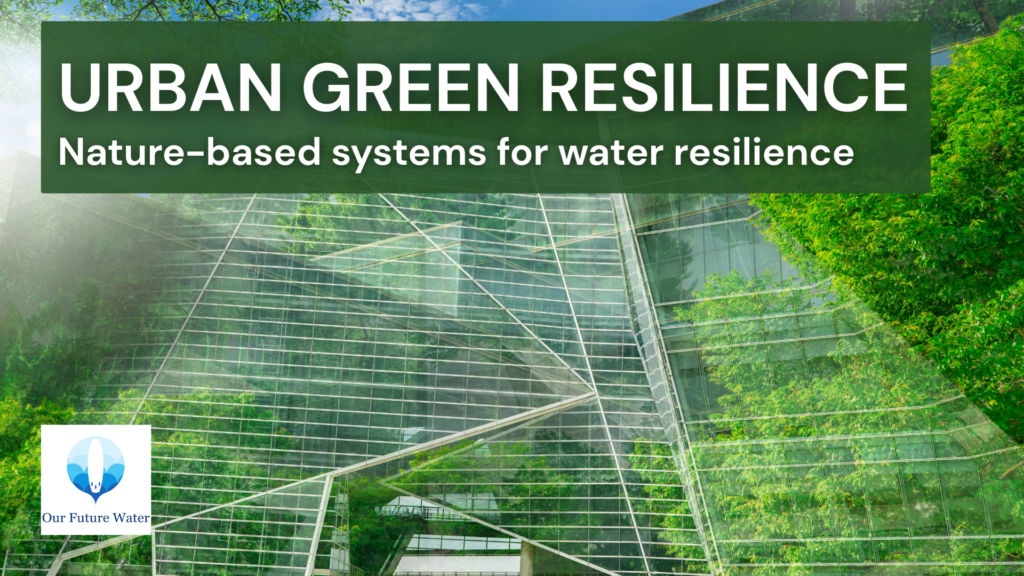
Urban resilience planning increasingly integrates ecological infrastructure into mainstream asset management and development policy. Distributed systems such as green roofs, urban forests, and wetlands are now central to strategies focused on Water Security and Nature-Based Solutions, particularly in cities managing rising climate volatility, surface runoff pressures, and urban heat accumulation.
The Strategic Imperative
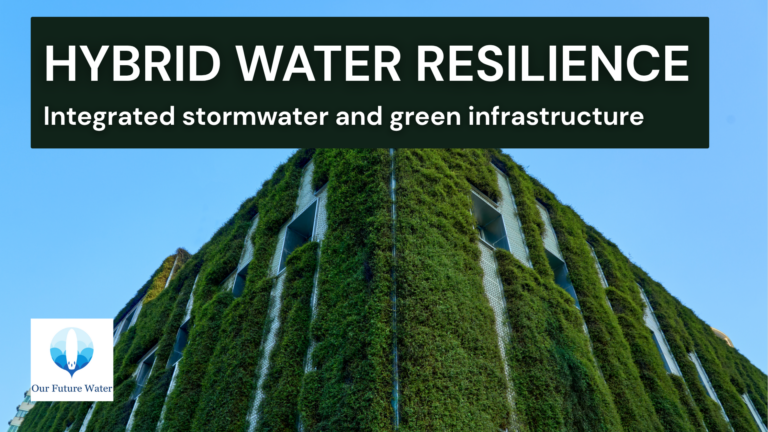
The strategic issue is how cities can improve hydrological performance and climate resilience without relying exclusively on resource-intensive engineered infrastructure. Rapid urbanization, impervious surface expansion, and climate variability are increasing pressure on drainage systems, energy demand, and ecosystem stability. In practice, green roofs and wider nature-based systems function as distributed infrastructure assets that absorb rainfall, regulate temperature, and support biodiversity within constrained urban environments. This matters because integrated ecological systems provide multiple operational benefits across water management, public health, and urban livability simultaneously. When designed well, these systems improve infrastructure efficiency while reducing long-term exposure to flooding, heat stress, and environmental degradation across rapidly growing urban regions.
Integrated Ecological Infrastructure Mechanisms
Nature-based systems strengthen urban resilience through interconnected hydrological and ecological functions.
- Stormwater Retention: Vegetated systems reduce peak runoff volumes through infiltration, temporary storage, and evapotranspiration, easing pressure on drainage networks during heavy rainfall events.
- Thermal Regulation: Green infrastructure moderates surface and ambient temperatures, reducing urban heat island intensity and lowering cooling-related energy demand within buildings.
- Ecosystem Connectivity: Urban vegetation corridors and rooftop habitats improve biodiversity support by reconnecting fragmented ecological systems within dense urban landscapes.
- Infrastructure Efficiency: Distributed ecological assets extend the operational performance of conventional infrastructure by reducing flood loads, improving water quality, and supporting adaptive urban planning.
Key Insight: Green roofs and nature-based systems are increasingly treated as operational infrastructure assets because they simultaneously improve stormwater performance, climate adaptation capacity, ecosystem resilience, and urban livability within high-density cities.
Governance, Equity, and Cost Recovery
Effective implementation depends on governance structures capable of integrating ecological infrastructure into land use planning, building regulation, and long-term asset management frameworks. The challenge is that nature-based systems often operate across multiple institutional responsibilities, requiring coordination between utilities, planning authorities, environmental agencies, and private developers. Financial mechanisms such as incentive programs, development standards, and resilience-linked funding are therefore essential to support deployment and maintenance. Equity considerations also remain central because urban greening investments influence public health outcomes, flood exposure, and access to environmental amenities. When integrated strategically, nature-based infrastructure can support more inclusive resilience outcomes while improving operational efficiency and reducing long-term infrastructure costs.
| Dimension | Strategic Impact & Outcome |
|---|---|
| Resilience | Distributed ecological systems reduce flood exposure, moderate heat stress, and improve adaptive urban capacity under climate variability. |
| Governance | Integrated planning frameworks strengthen coordination between infrastructure, environmental management, and urban development objectives. |
| Investment | Long-term savings emerge through reduced drainage pressure, lower energy demand, and improved infrastructure lifecycle performance. |
Infrastructure planning increasingly recognizes that ecological systems require the same operational oversight as conventional engineered assets. This includes performance monitoring, maintenance standards, financing structures, and integration into capital planning processes. In practice, policy frameworks such as building mandates, urban forestry strategies, and stormwater management regulations create the institutional certainty required for investment. Technology also supports implementation through data-driven monitoring of runoff reduction, heat mitigation, and vegetation performance. The wider implication is that cities adopting integrated resilience planning can reduce dependence on costly grey infrastructure expansion while improving environmental performance, public health outcomes, and long-term urban sustainability under changing climate conditions.
Decision-Maker Application
- Embed Ecological Standards: Integrate green infrastructure requirements into building codes, development approvals, and urban planning frameworks to support scalable implementation.
- Align Funding Mechanisms: Use incentives, resilience financing, and public-private partnerships to support long-term maintenance and operational performance.
- Strengthen Cross-Sector Coordination: Establish governance models that connect utilities, planners, environmental agencies, and developers within unified resilience strategies.
Strategic Context
- Primary Focus: Urban resilience through ecological infrastructure integration.
- Core Mechanism: Distributed stormwater management and climate adaptation through nature-based systems.
- Global Relevance: Cities worldwide face increasing pressure to manage flooding, heat stress, and environmental degradation under climate change and urban growth.
Conclusion
Green roofs and broader nature-based urban systems demonstrate how ecological infrastructure can strengthen water resilience, climate adaptation, and long-term urban performance simultaneously. The strategic value of these systems lies in their ability to provide distributed hydrological functions while supporting broader environmental, social, and economic objectives. This matters because cities increasingly require integrated infrastructure approaches capable of addressing multiple climate and urbanization pressures within constrained environments. When supported through effective governance, financing, and technical standards, ecological systems become durable operational assets that improve infrastructure efficiency, strengthen ecosystem integrity, and support more resilient urban development pathways over the long term.
Key Questions
What are green roofs and how do they improve urban water resilience?
Green roofs are vegetated roofing systems that retain and slowly release rainfall through infiltration and evapotranspiration. They reduce stormwater runoff, lower pressure on drainage infrastructure, moderate rooftop temperatures, and improve urban climate resilience within densely developed areas.
Why are nature-based solutions important for cities facing climate change?
Nature-based solutions help cities manage flooding, heat stress, biodiversity loss, and water quality challenges by integrating ecological systems such as wetlands, urban forests, and green corridors into urban planning and infrastructure strategies.
How do green roofs support climate adaptation in urban environments?
Green roofs reduce urban heat accumulation, improve building insulation, lower cooling energy demand, and help cities adapt to rising temperatures and more intense rainfall events associated with climate change.
What role does governance play in implementing nature-based infrastructure?
Effective governance ensures coordination between planners, utilities, developers, and environmental agencies while supporting implementation through policy frameworks, technical standards, funding mechanisms, and long-term maintenance strategies.
How do nature-based solutions create economic and social benefits?
Nature-based systems improve public health, enhance urban livability, reduce long-term infrastructure costs, support biodiversity, and strengthen property and environmental value through improved climate and ecosystem performance.
Why are cities investing in integrated ecological infrastructure strategies?
Cities are investing in ecological infrastructure because these systems provide multiple resilience benefits simultaneously, including stormwater management, heat reduction, ecosystem restoration, and sustainable urban development support.